
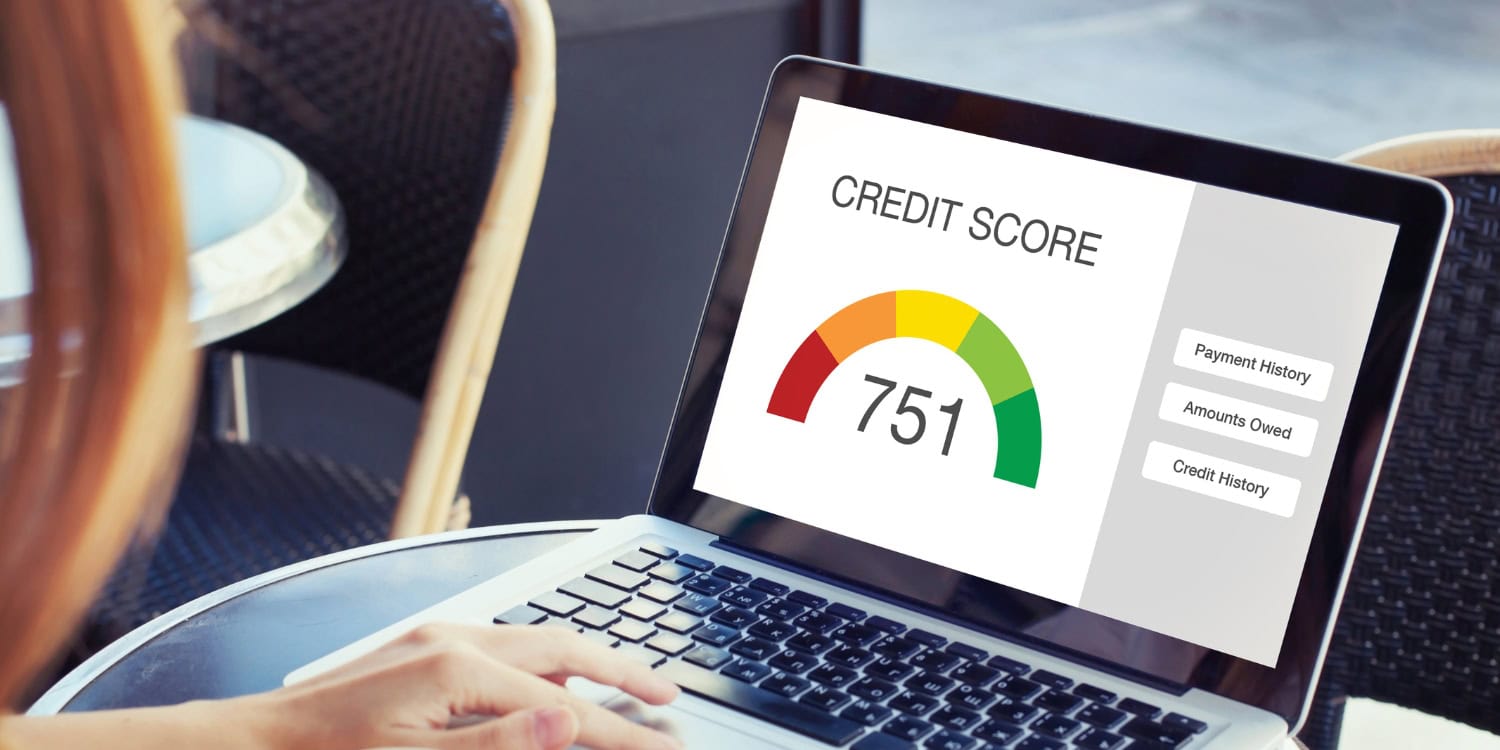

Government schemes and niche funding programs often bypass strict credit checks, and creative strategies can build momentum while you seek larger funding. A bad credit score doesn’t automatically block you – it simply means you may need to explore non-traditional funding paths and build your case more creatively.
This guide explores how to get business funding with bad credit, what options exist, and what steps you can take today to strengthen your chances.
Key takeaways
- Business funding can be achieved with bad credit; however, your options will be more limited.
- There are specific schemes for funding for particular businesses, such as startups and asset-backed lending.
- A business credit score can be improved in several ways, such as paying off bills and keeping your accounts up to date.
What is bad credit, and why does it matter when applying for business finance?
In the UK, “bad credit” usually refers to a credit score that falls into the lowest categories – often labelled poor or very poor. UK credit agencies define these ranges, using numeric scales (for example, 0–999 or 0–700) divided into bands such as Excellent, Good, Fair, Poor, and Very Poor. For example, Experian’s UK bands put “Very Poor” at 0–560 and “Poor” at 561–720. Scores in those ranges indicate significant risk (such as defaults, County Court Judgements (CCJs) or recent missed payments) and can make traditional loans hard to secure.
- Can I use a personal credit card for business expenses?
- Register a UK limited company and get a Wise Business account
- Registering a company: a simple step-by-step guide
It’s also important to distinguish business credit from personal credit.
For small business owners, your credit rating may come from:
- Your personal credit file (especially if you’re a sole trader or new director)
- Your company’s business credit file (for limited companies)
Sole traders often rely on personal scores, whereas limited companies build a separate credit file. Generally, a “bad” business credit rating works the same way – lenders view it as high risk and may charge higher interest or impose stricter terms. Knowing where your score stands is critical before applying for business funding with bad credit. You can check your score using providers such as Experian, Equifax or TransUnion.
7 funding options for poor-credit businesses
Even with a poor credit rating, UK entrepreneurs have a range of funding sources. Options can be broken into practical tracks, mixing startup, scale-up and recovery stages:
1. Government-backed loans and grants
- Offers personal loans from £500–£25,000 per person
- Credit check required, but bad credit does not automatically exclude you
The UK’s Start Up Loans programme offers personal loans of £500–£25,000 (up to £100,000 per company if multiple founders apply). These loans are unsecured (no collateral needed) and include free mentoring. There is also the Growth Guarantee Scheme (GGS), which is a UK government-backed program designed to help UK SMEs access funding.
You’ll undergo a credit check, but crucially, the government explicitly notes “bad credit isn’t a problem” for grants and support aimed at new/small businesses. Additionally, numerous local and national grants are available for startups. These never require repayment, so credit checks are irrelevant.
2. Personal savings and informal funding
Best for micro-startups or sole traders
Always document terms clearly
Entrepreneurs often self-fund or borrow from family and friends. Using personal savings or a business credit card can provide immediate cash without formal approval. Borrowing from family or friends can also be a quick and low-cost option, provided you document clear repayment plans to avoid any potential relationship issues. These routes put your own or a guarantor’s credit on the line instead of your business’ credit.
3. Fintech lenders and peer-to-peer platforms
- Often use revenue or turnover instead of just credit
- Approvals can be fast but may carry higher interest
Many fintech platforms and specialist brokers offer business loans with looser credit criteria. These “alternative lenders” (including online lenders and peer-to-peer platforms) often approve loans based on factors such as turnover, cash flow, or business potential, rather than just credit score.


While interest rates may be higher than a bank’s, you can often get funds quickly. Peer-to-peer lending sites also connect you with investors. These will perform credit checks, but lenders on those platforms may be more flexible than traditional banks.
4. Asset-backed finance
- Equipment, vehicles, or property as collateral
- Good for borrowing larger amounts
Offering collateral can overcome bad-credit barriers. Secured loans let you borrow against business assets (property, machinery, vehicles, etc.), usually yielding larger loan amounts and lower rates since the lender’s risk is reduced. Equipment finance or hire purchase also counts as asset finance – you get the equipment you need while payments come out of future revenue.
5. Revenue or receivables-backed funding
- Based on income coming in, not your creditworthiness
- Great for businesses with reliable B2B receivables
If you sell on credit terms to other businesses, invoice financing/factoring can free up cash. Because invoice factoring is secured against your customers’ invoices, lenders mainly care that your clients pay you – not how good your credit is. Merchant cash advances work similarly: repayment comes straight from your revenue, so your own score is less relevant.
6. Equity and crowdfunding
- Ideal for businesses with high-growth potential or passionate followers
- Your idea and pitch matter more than your score
If your business has high growth potential, consider raising equity instead of debt. Crowdfunding platforms let many individuals invest small sums in exchange for shares. Investors on these platforms care about your idea and team, not your credit score. Similarly, angel investors or venture capitalists provide capital and often offer business guidance in exchange for equity in your company.
7. Bootstrapping and piecing together
- Grow organically while building business credit
- Start small, then graduate to higher levels of investment
Sometimes the best route is to start small and grow organically. Reduce initial capital needs by cutting costs, starting with a minimum viable product, or taking on early contract work. Each sale or contract builds your track record and bank balance. Over time, a history of modest but steady trading can make you more fundable.
Can you set up a limited company with bad credit?
Yes – you can start a limited company with bad credit in the UK. Registering a company with Companies House does not trigger a personal or business credit check. In fact, a limited company is a separate legal entity with its own credit profile. Setting up a company will not directly hit your personal credit score.
For example, if you currently operate as a sole trader, consider registering as a limited company to separate your personal and business finances. Once incorporated, the company can open its own bank account and apply for credit in its name. Directors’ personal credit is only a factor if you personally guarantee a loan or are a new business.
After incorporation, it’s wise to set up a business bank account and potentially a credit card. Using company accounts exclusively for business costs builds an independent credit history. Over time, paying bills and loans from your business account demonstrates good financial management, which in turn improves the company’s credit standing.
Tips for improving your chances of funding approval
To boost your funding prospects despite bad credit, focus on strengthening your overall fundability and presenting a solid business case:
Keep accurate, up-to-date records
Well-organised financial statements, forecasts and budgets make lenders more confident. Maintain up-to-date accounts and demonstrate positive cash flow, or at least a clear plan to achieve it.
Offer collateral or guarantees (if possible)
Having security instantly strengthens an application. Even if you have poor credit, a lender may accept you if you pledge assets or a guarantor signs on.
Show real business activity
Nobody wants to lend to a hypothetical plan. Try to gather evidence of sales or contracts, even if they are small. Demonstrating that you can bring cash in the door reassures lenders that you can repay.
Match your funding method to your growth stage
Different finance types fit different needs. If you’re a new business, lenders will scrutinise your personal situation more closely.
Separate your finances and build company credit.
Lenders prefer clear boundaries. Aim to operate through your company’s bank accounts and credit lines, rather than using personal ones.
Prepare a strong pitch
Lenders will review your business plan and ask why you require funding. Clearly explaining how you will utilise the money and how it generates a profit is crucial.


Overall, focus on what you can control: accurate record-keeping, clear separation of funds, and transparent communication of your business’s strengths.
How to separate personal and business credit responsibly
Keeping personal and business credit separate is a cornerstone of fundability. If you are an entrepreneur in the UK, here are five key steps to take:
1. Set up a UK limited company
If you’re a sole trader or partnership, consider forming a limited company. Incorporation legally separates you from the business.
2. Open a dedicated business bank account
A business bank account is a separate account that allows you to clearly distinguish your business activities from your personal activities. Not only is this a responsibility of a company director, but it will also help you run your business more efficiently.
3. Use a business credit card or credit line
As soon as your company is trading, get a business credit card or overdraft in the company’s name.
4. Avoid mixing finances
Do not use personal cards or accounts to pay business bills, and vice versa.
5. Monitor both credit profiles
Check your personal credit report regularly and monitor your company’s business credit file.
By following these practices, you ensure that your personal credit won’t drag down your company’s rating.
Start or grow your business with confidence
Whether you want to register a limited company with bad credit, fund early growth, or stabilise your business, today’s funding ecosystem offers more flexibility than ever.
The key is to be proactive and strategic. Begin operating as soon as possible; even informal trading or freelancing can help build credibility. Each invoice paid or project completed adds to your record.
Remember that funding can come in stages. You might start with a small personal loan or grant; then move to invoice finance; and later secure a larger secured loan or equity injection to scale.
Finally, stay optimistic but realistic. If a standard business loan is declined, it may not mean the end of your startup journey. Use it as an opportunity to find a better-fitting solution.
Starting your company is often the first step to securing proper business finance. Rapid Formations offers fast, simple setup when you’re ready to set up your company.



Join The Discussion